For this part of my series, I experimented with a 1981 Kodak film stock, bringing its unique analog character into my Fujifilm digital workflow using film recipes inspired by classic emulsions.
In the early 1980s, Kodak was still one of the dominant forces in color film photography. The company’s Kodacolorline — a family of color negative films originally introduced in the 1940s — had evolved across decades and by the 1980s was in transition between older emulsions and newer technologies that would later define the decade.
Kodak’s Kodacolor VR films (introduced shortly after 1981) marked the company’s shift toward T-Grain emulsion technology, which reduced visible grain while maintaining sensitivity across light conditions — a significant advancement in film chemistry at that time. This era sat at a crossroads between the classic saturated color look of 1970s film and the high-definition emulsions that would come later in the decade.


By applying a Fujifilm recipe inspired by this era, I’m not just choosing a preset — I’m channeling the look and feel of a bygone analog medium, making digital capture feel more tactile, more historical, and more expressive.
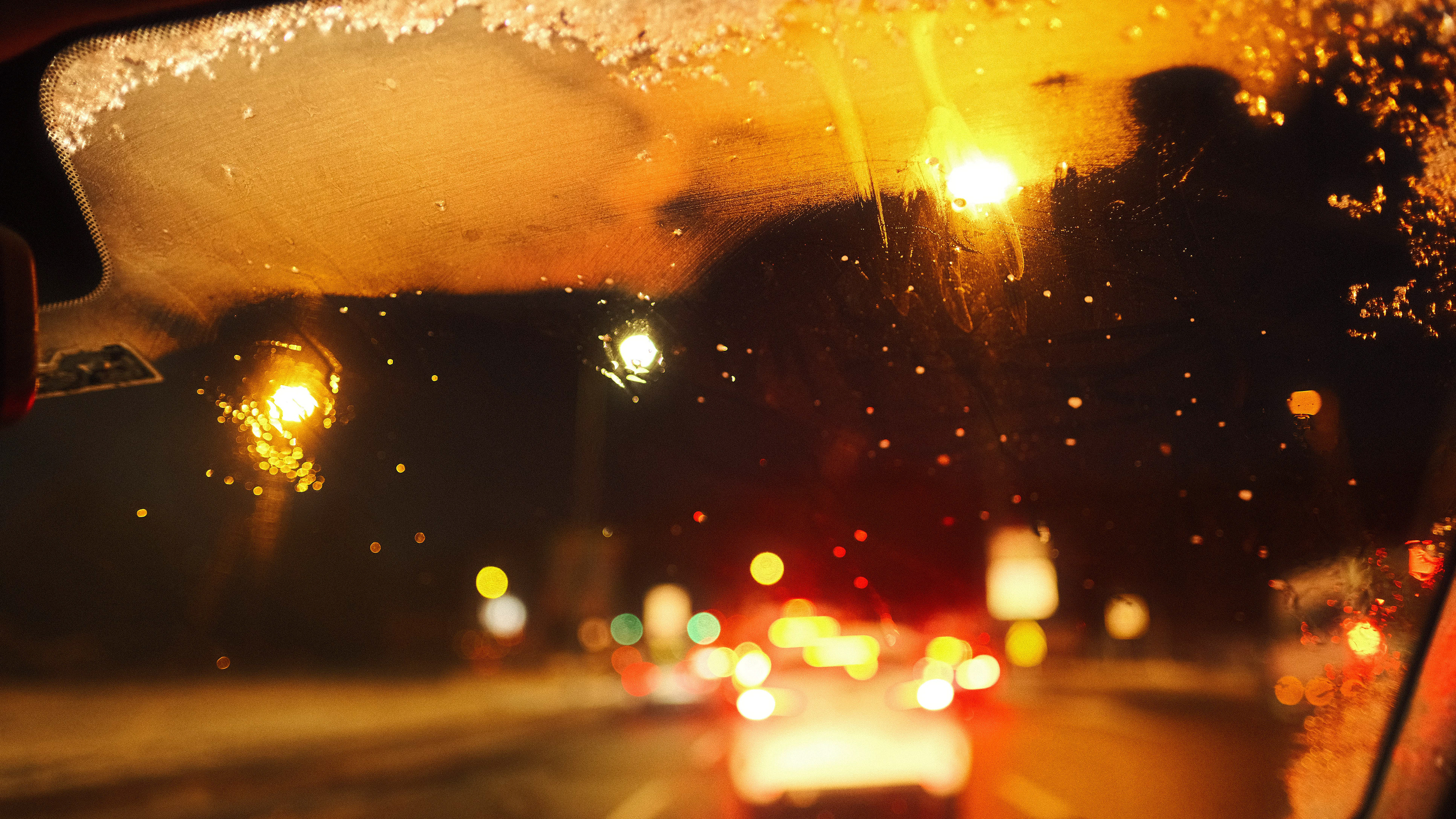
This is traffic lights before sunrise.
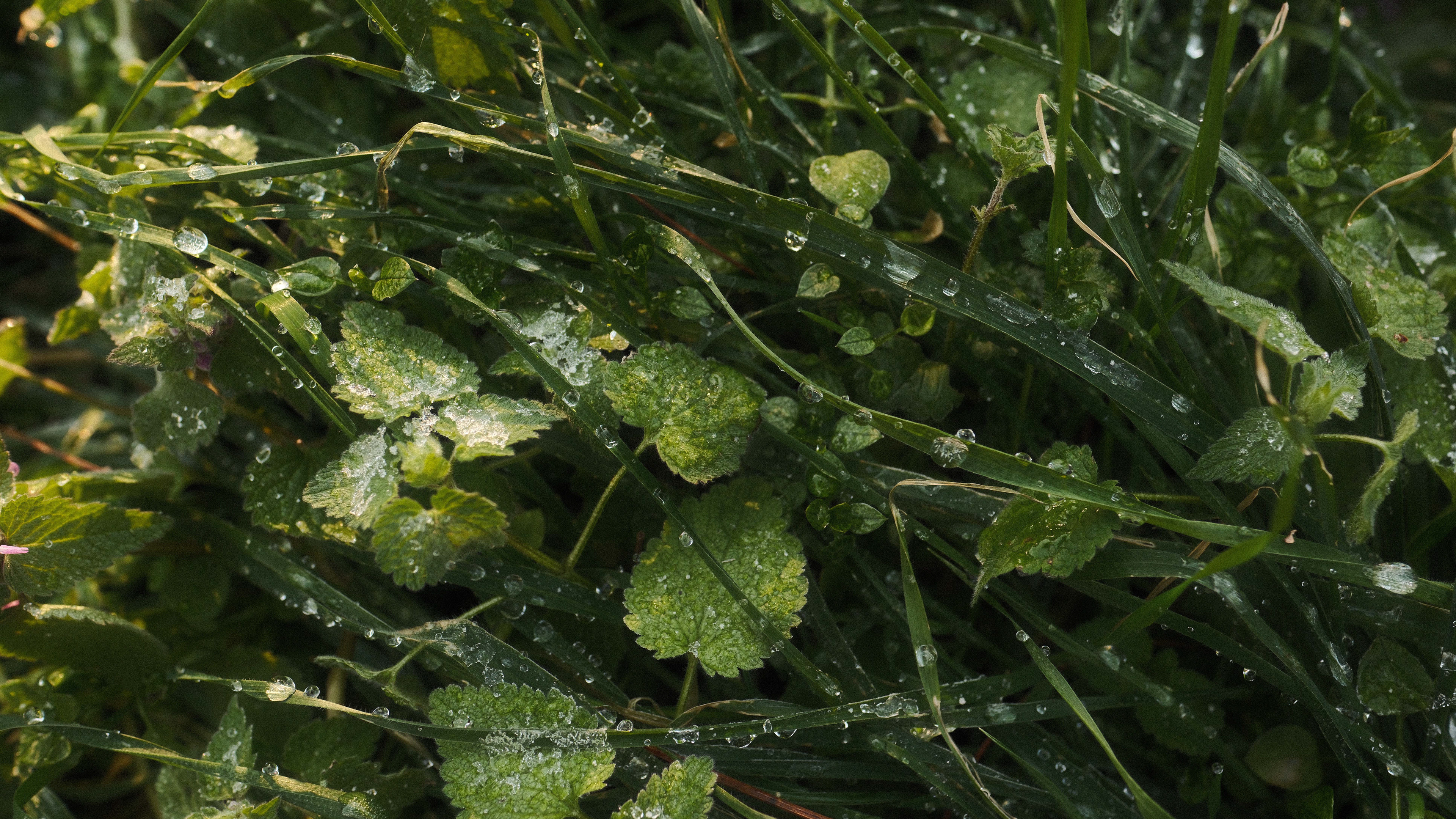
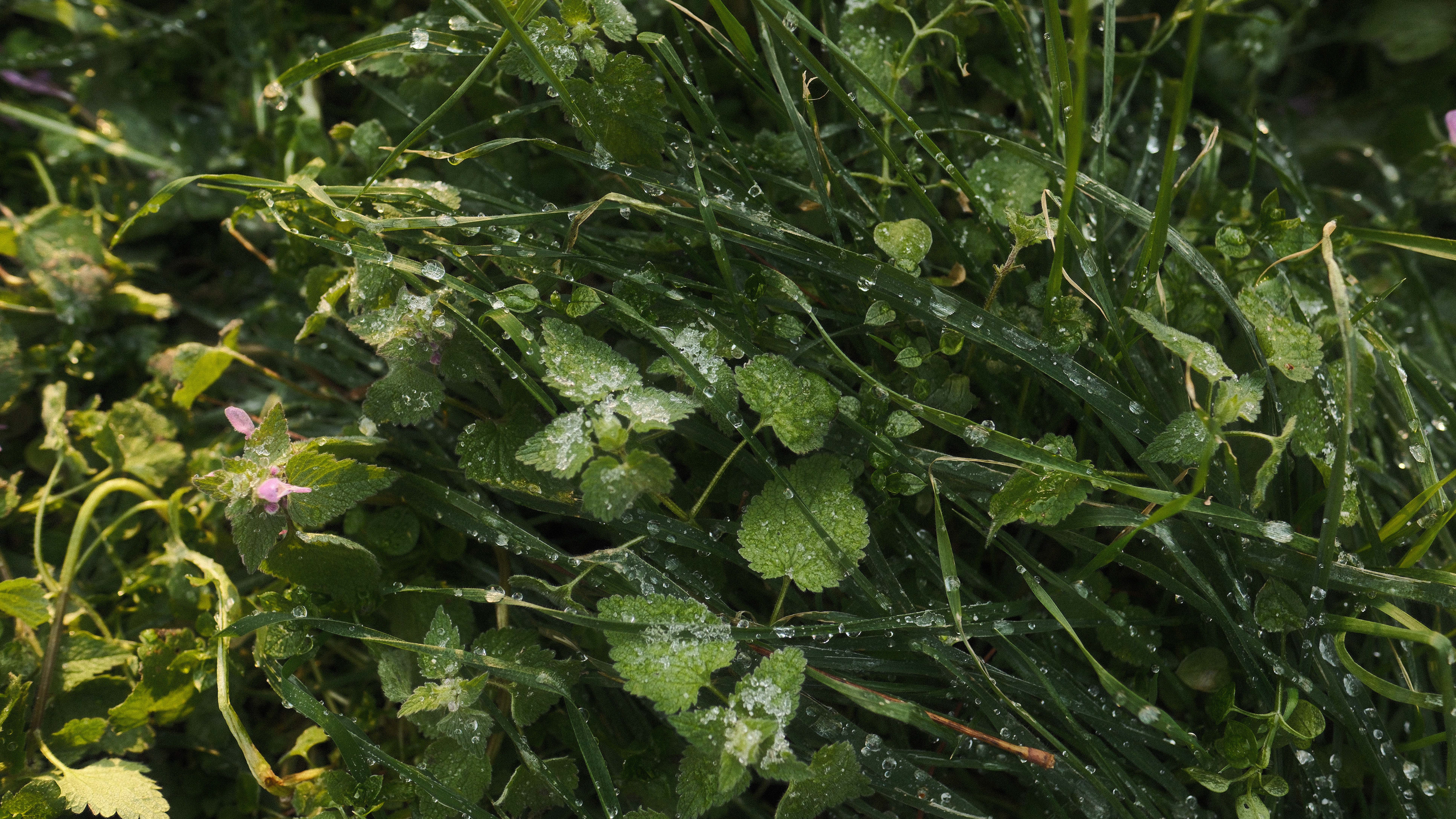
This is rime.

I stayed true to the recipe by shooting mostly at -1/3 or +1/3 exposure. I find the results incredibly inspiring, as they capture a genuine analog soul. It reminded me that sometimes, in our effort to follow strict technical rules, we risk losing the very feeling that makes a photograph special.
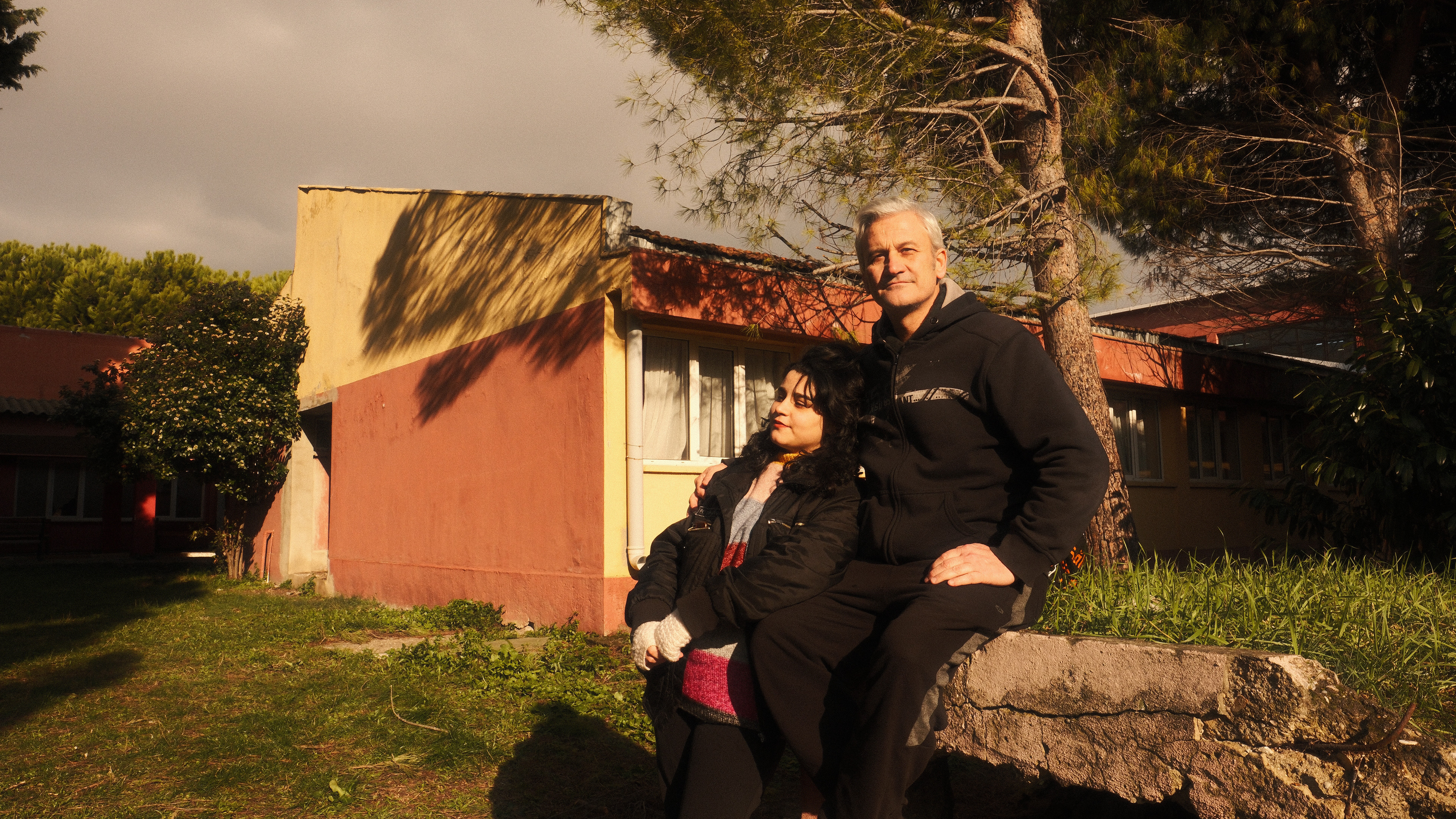
A father and a daughter.
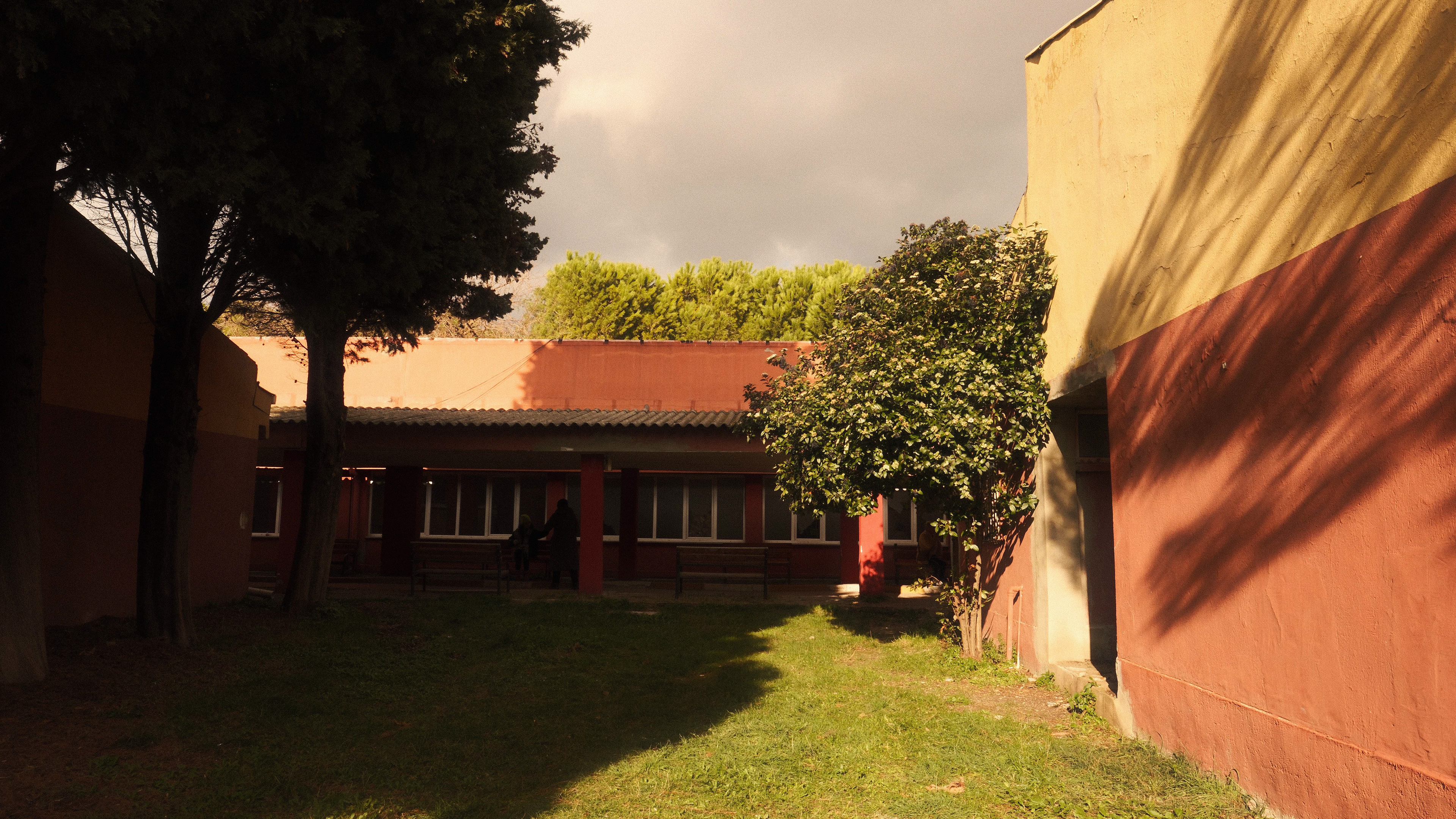
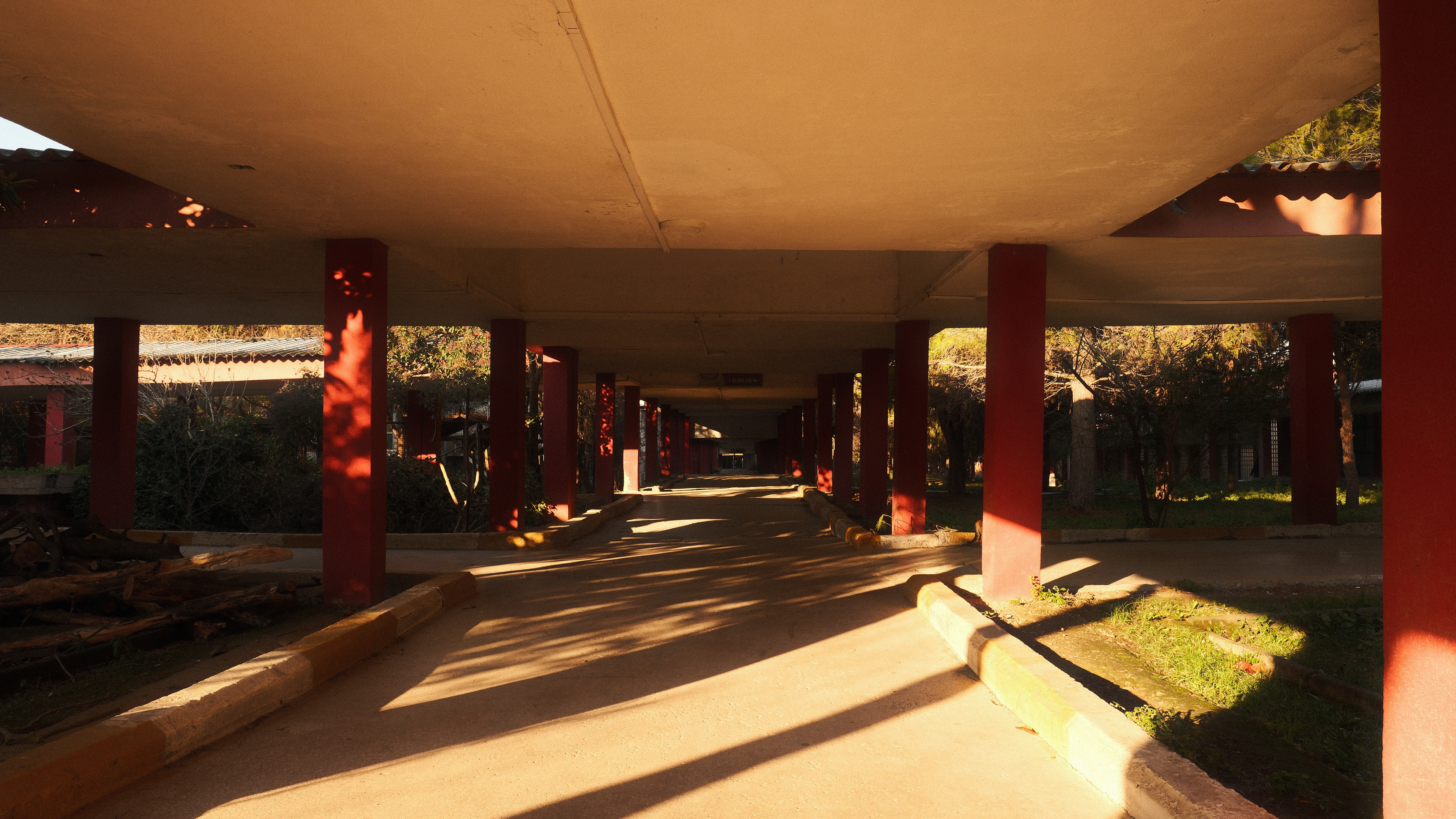
An empty hospital hallway.


An orange cat from İstanbul.

İstanbul, Kasımpaşa.
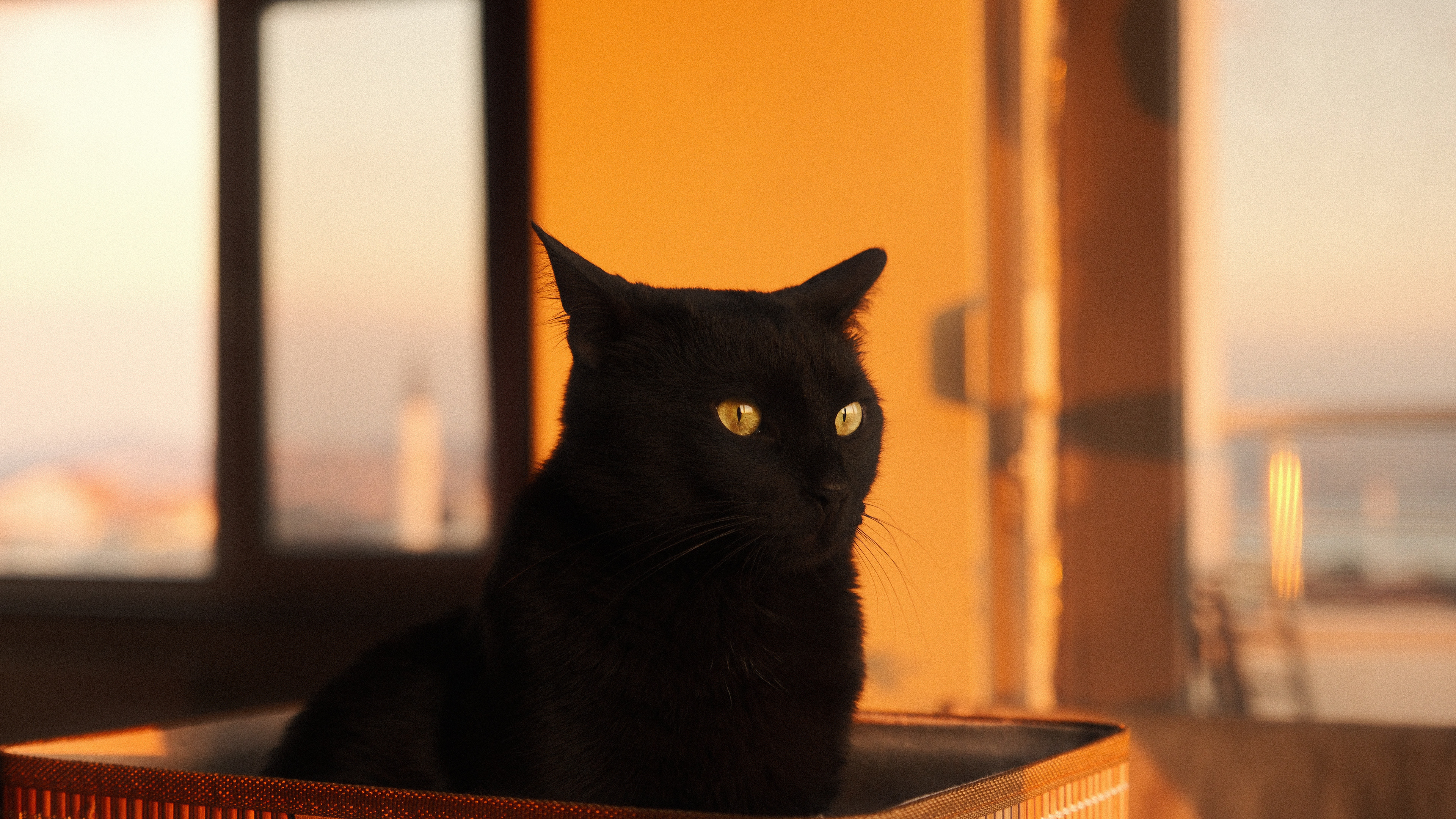
A black cat watching sunset.

Fruits and a candle.